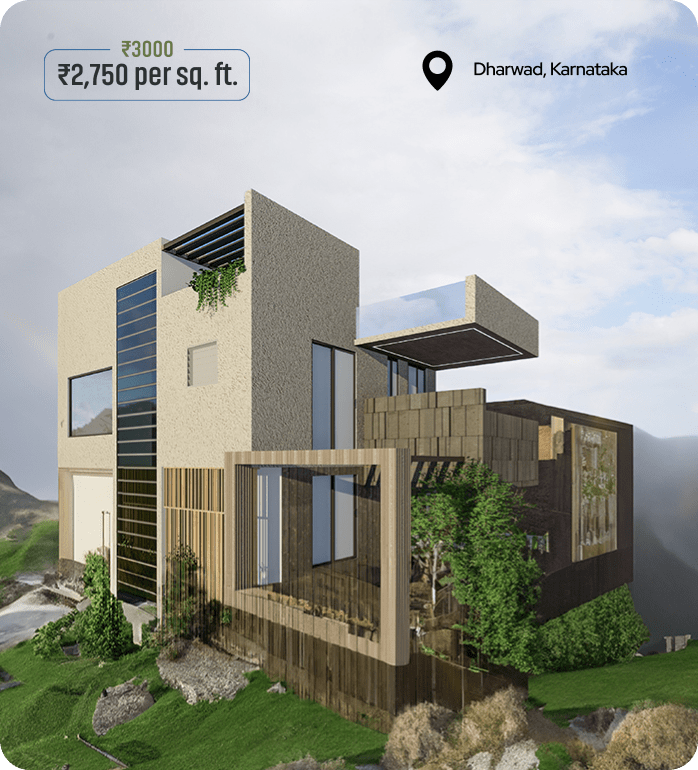
3 & 4 BHK Duplex Villa & Residential Plots Starts at
 A Never Before Experience
 Convenient Location
 Integrated Township
 Exclusive Amenities

Real estate is one of the most reliable and wealth-generating asset classes in India.
However, before investing, every buyer must understand the foundation of the industry:
Each category serves a different purpose, risk level, return potential, and investment strategy. Whether you are a first-time buyer, a long-term investor, or someone exploring premium plotted developments like Aurora Hills, understanding these four types will help you make informed, future-focused decisions.
Let’s explore each type in detail.
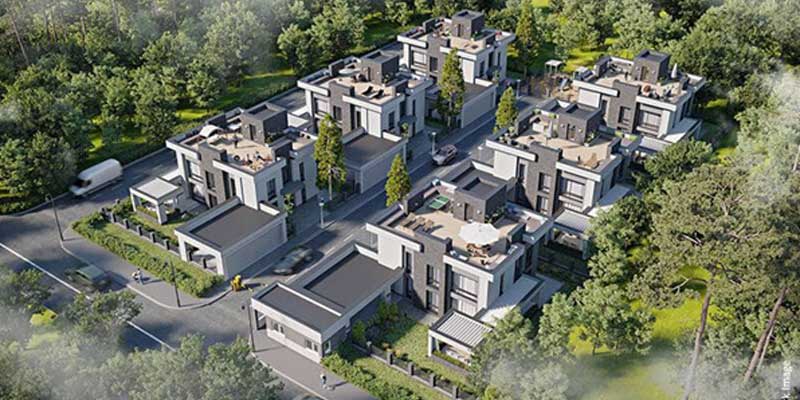
Residential real estate dominates the Indian market because housing demand remains constant regardless of economic cycles.
In emerging cities like Dharwad, residential growth is expanding outward, creating strong opportunities in structured plotted layouts.
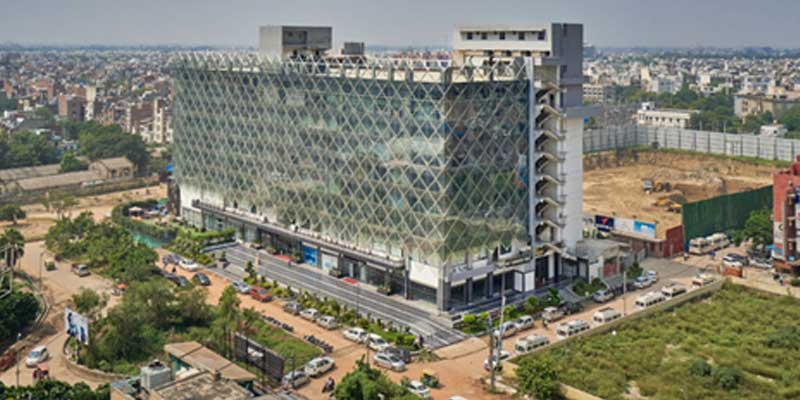
Commercial real estate suits experienced investors with long-term income goals.

With the growth of e-commerce and supply chains, this sector has gained significant momentum.
This segment is generally preferred by institutional investors or large businesses.
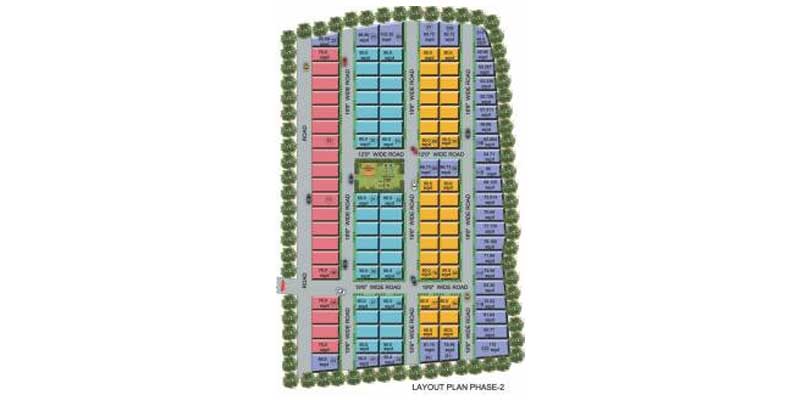
Without land, no other type of property exists.
Unlike apartments, land does not age.
As cities expand, land becomes more valuable due to limited supply.
In Tier-2 growth corridors like Dharwad, plotted development is becoming a preferred choice for modern investors.
Demand for plots in Dharwad is increasing because:
Plotted developments provide:
Premium projects like Aurora Hills combine location advantage with regulatory compliance — making land investment structured and secure.
| Property Type | Capital Requirement | Risk Level | Liquidity | Appreciation Potential |
|---|---|---|---|---|
| Residential | Medium | Moderate | High | Steady |
| Commercial | High | Moderate–High | Moderate | Strong (Income Focused) |
| Industrial | High | Moderate | Moderate | Stable |
| Land | Flexible | Low–Moderate | High (Emerging Areas) | Strong Long-Term |
For first-time buyers and long-term investors, land often offers the best entry flexibility
and appreciation window.
Your choice depends on:
Short-term flipping differs from long-term holding strategy.
Commercial and industrial require higher capital.
Land in growth corridors carries lower structural risk.
End-use home construction vs rental income vs capital appreciation.
Understanding What Are the 4 Types of Real Estate allows you to align property type with financial objectives.
Aurora Hills is positioned within a growth-driven region of Dharwad.
It offers:
As demand for structured plots in Dharwad continues to rise, planned communities provide stronger resale value and reduced legal risk compared to unorganized layouts.
Land remains the foundation of real estate wealth creation.
Aurora Hills offers that foundation in a regulated, growth-focused environment.
Understanding What Are the 4 Types of Real Estate is essential for every modern property buyer.
Each category — residential, commercial, industrial, and land — plays a unique role in wealth building.
However, in expanding cities like Dharwad, plotted developments offer:
For investors seeking security and scalability, land remains one of the strongest real estate assets.
Aurora Hills stands as a thoughtfully planned opportunity in this evolving landscape.